Rewriting the Story: How Brandi Thomas is Turning Struggle into Strength
There’s a moment most people don’t talk about. It doesn’t look dramatic from the outside. No visible breaking point. No clear before-and-after. Just a quiet hesitation, standing at the edge of a decision you know matters more than you want it to.
You tell yourself that you need more time. More clarity. More confidence. But underneath all of that, there’s a harder truth: you already know what moving forward will require. And you’re not sure you’re ready to become the person who can do it. That moment, uncomfortable, uncertain, easy to walk away from, is where everything begins. It’s also the space Brandi Thomas understands deeply. Not through abstract ideas, but through lived experience. The kind that doesn’t remove difficulty but makes it possible to move through it.
“I’ve faced a lot of obstacles in my life,” she says. At 27 years old, Brandi lives in a host home and navigates life with cerebral palsy and asthma, conditions that make running independently impossible. She also has a shunt, meaning even a fall carries a serious risk. These aren’t minor challenges. They are obstacles that change what she can do in the world, what she can do alone, and how she approaches everyday activities. Yet, none of them have defined her limits.
Brandi’s journey into endurance racing didn’t begin with certainty. It began with curiosity. “Exciting, hard, challenging,” is how she describes it.
She was first introduced to adaptive sports, pursuing wheelchair soccer and other sports, where she connected with James Seidel, who encouraged her to take the next step. That step led her to The Kyle Pease Foundation.
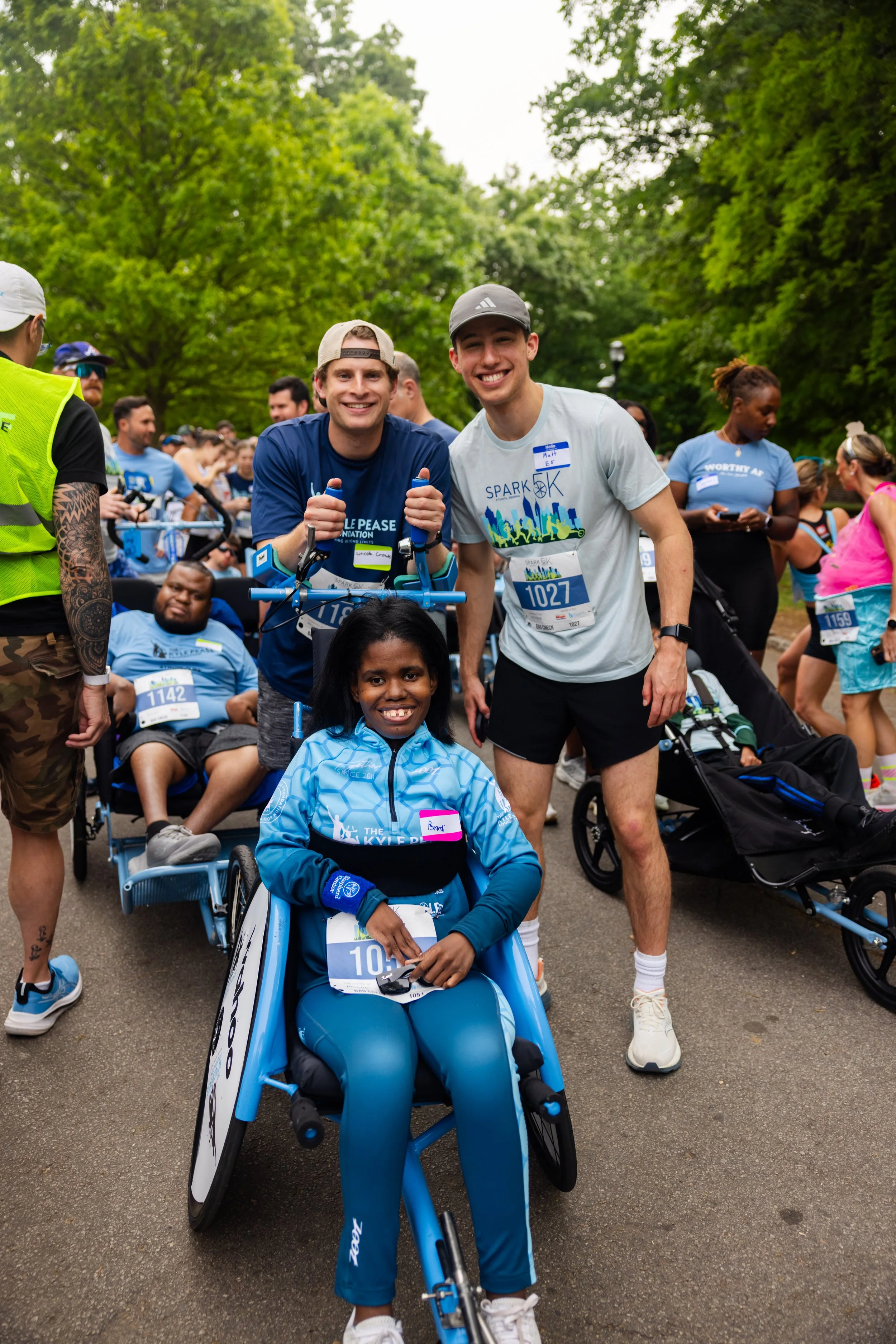
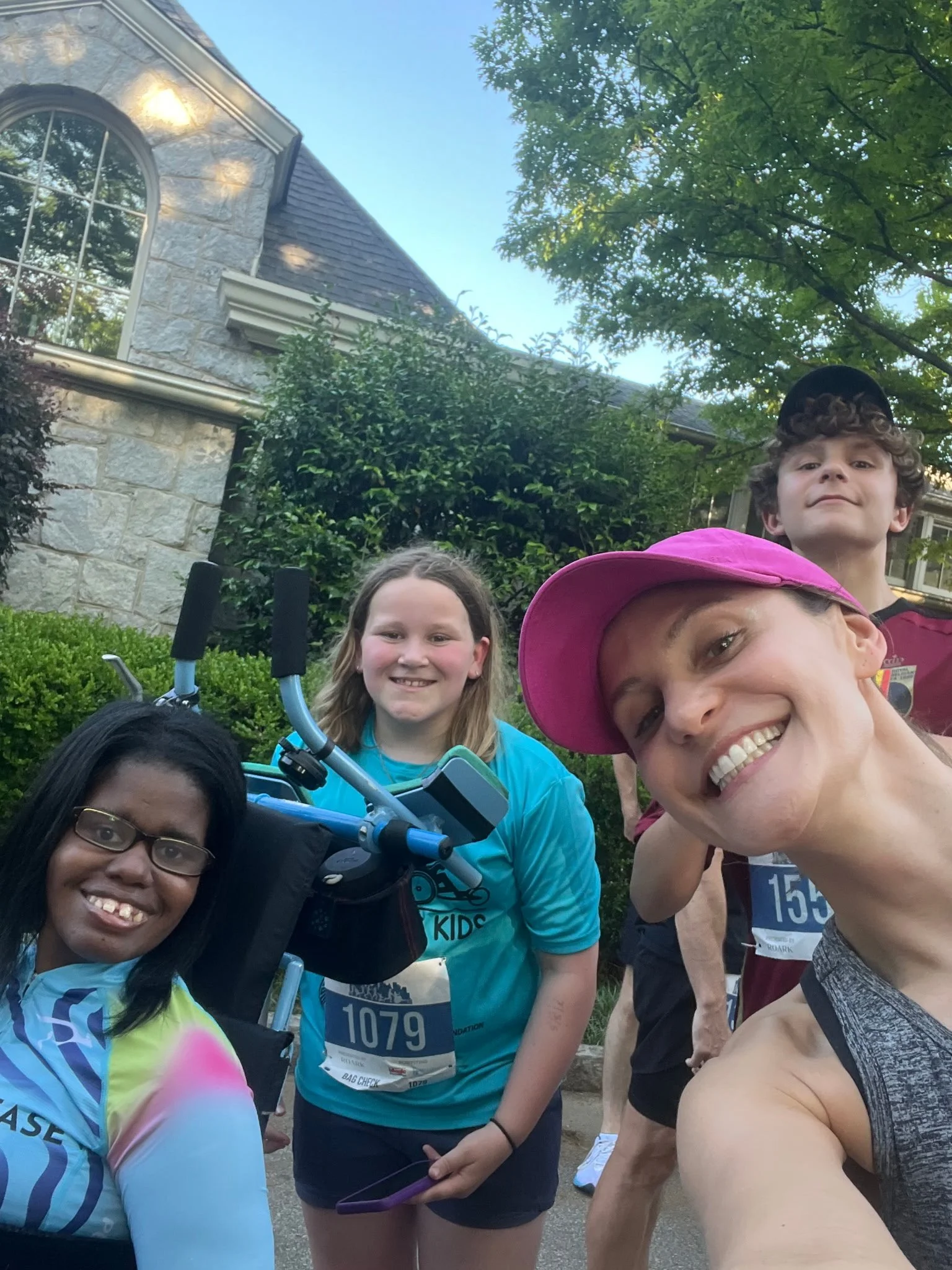
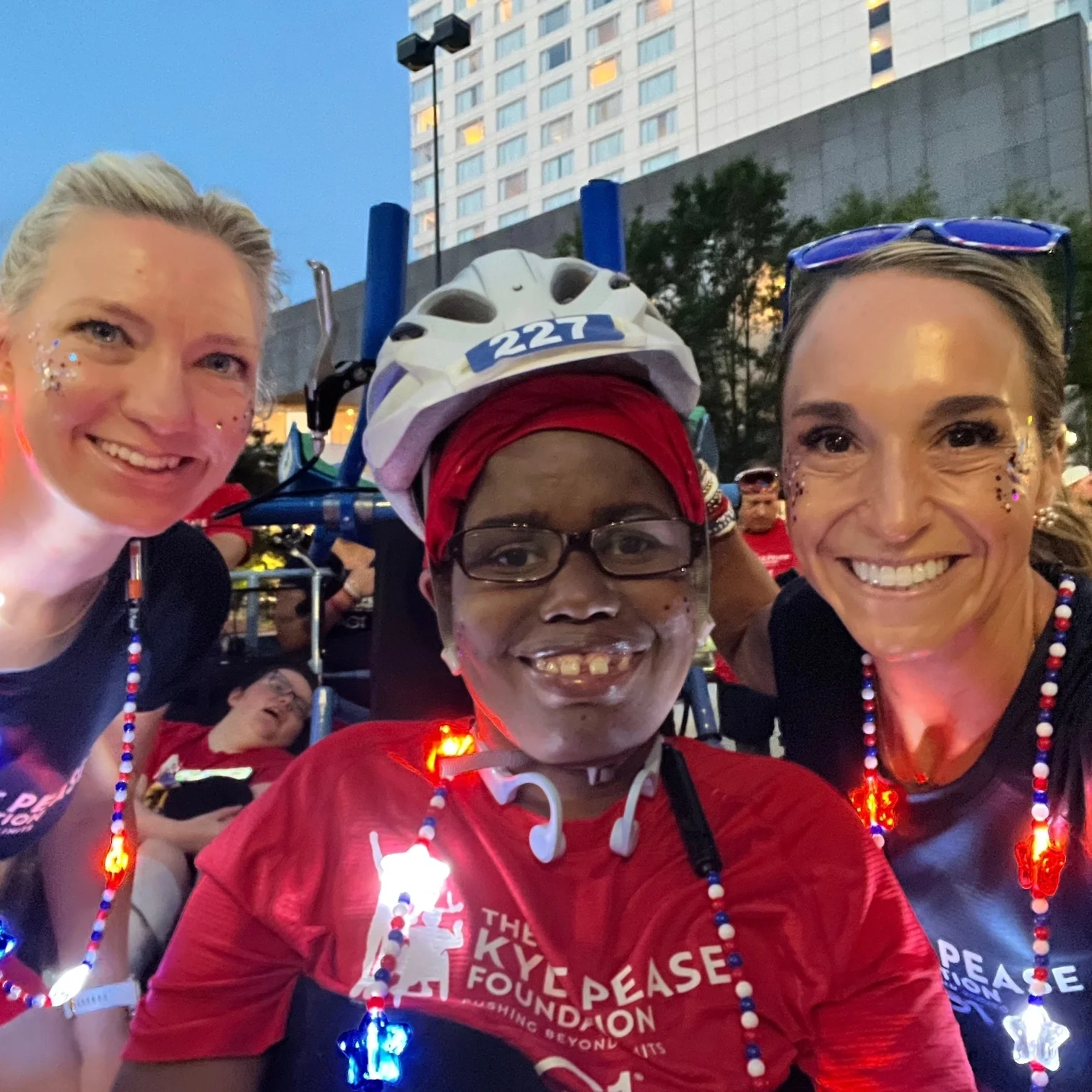
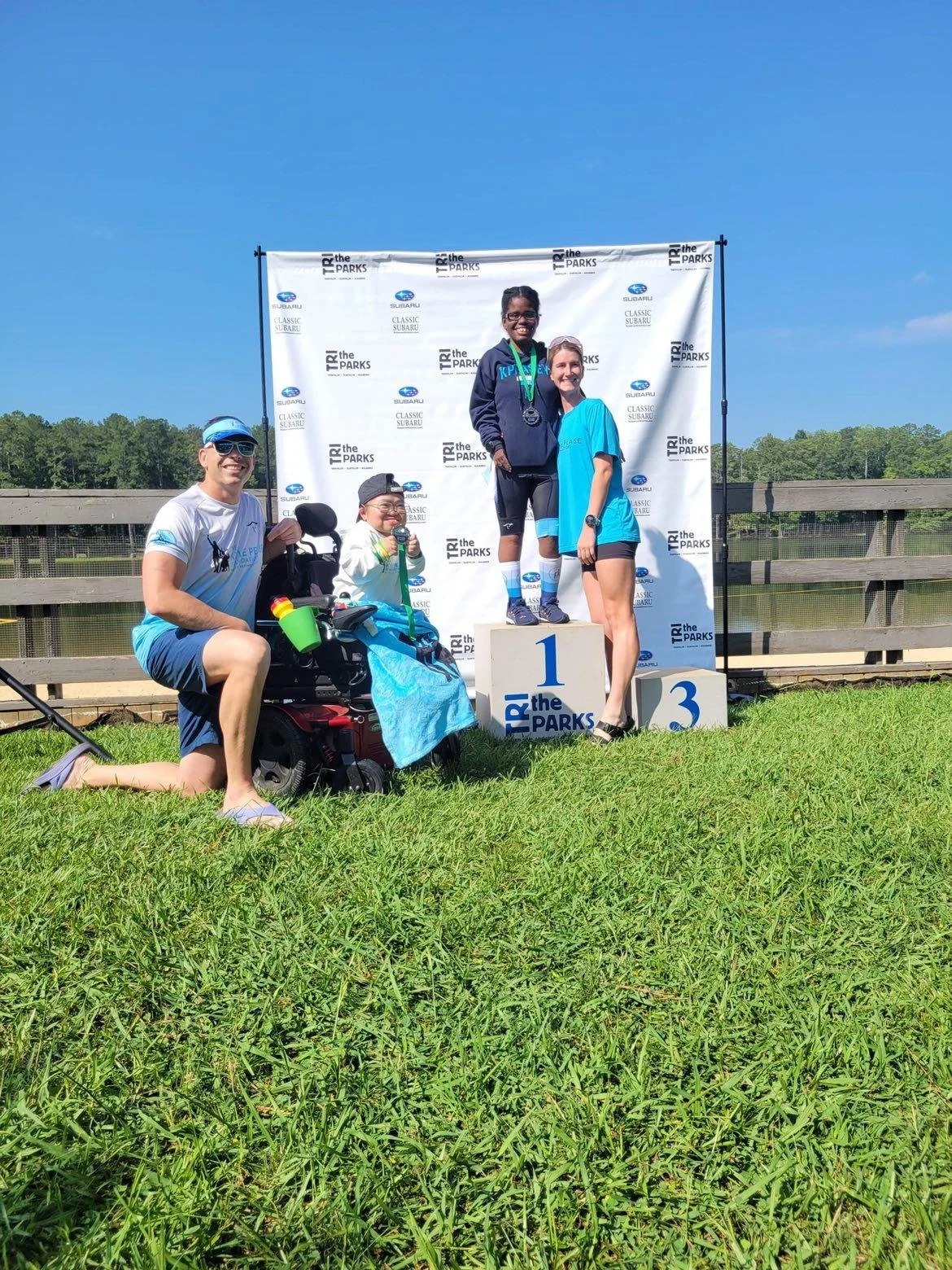
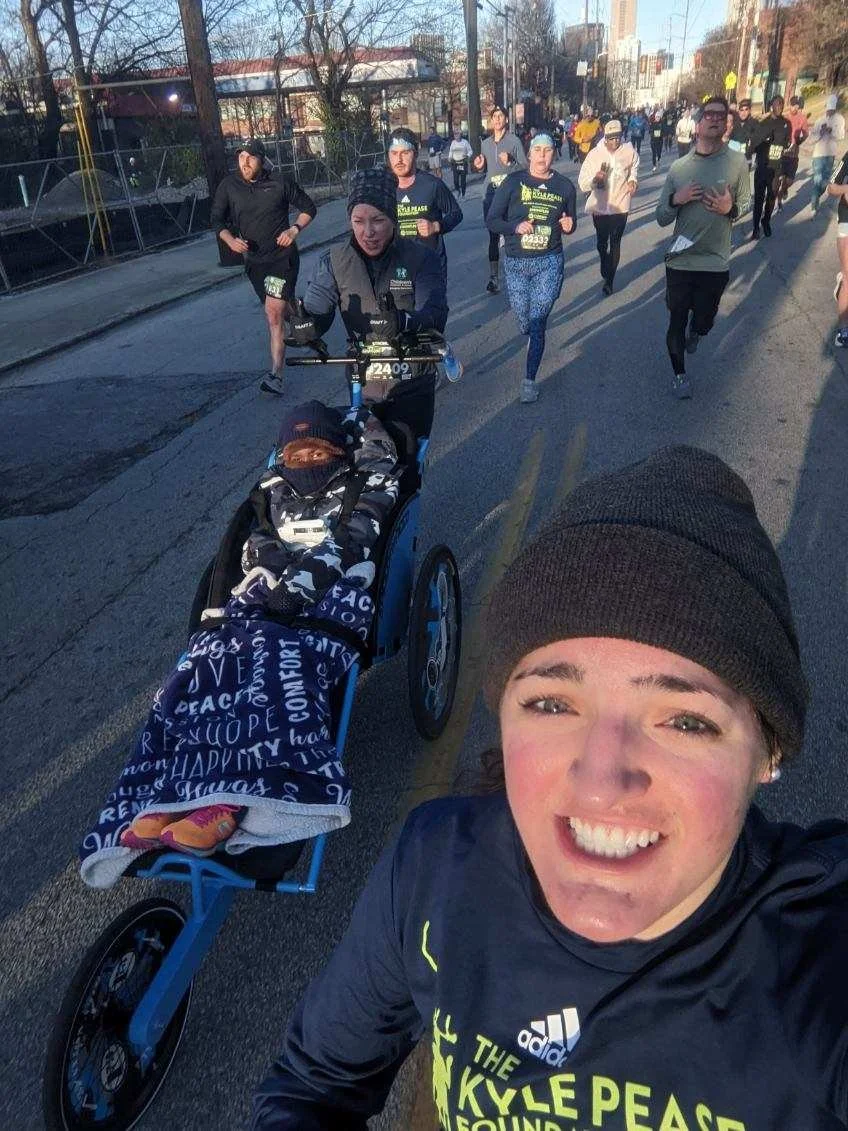
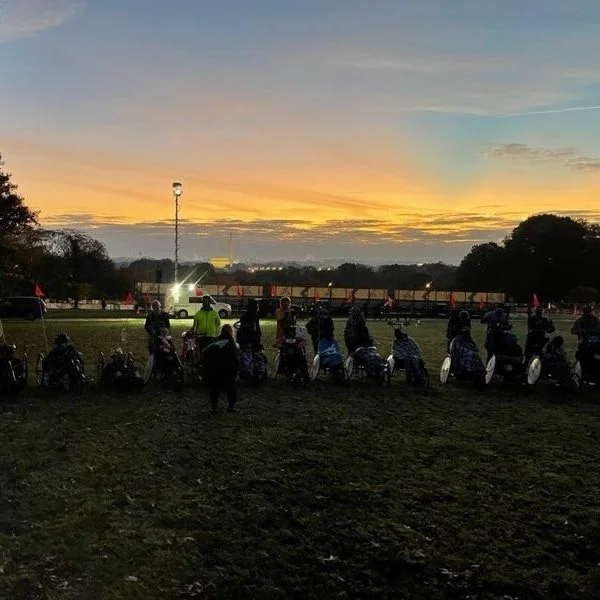
“When I first met the foundation,” she recalls, “I didn’t know what I was getting into.”
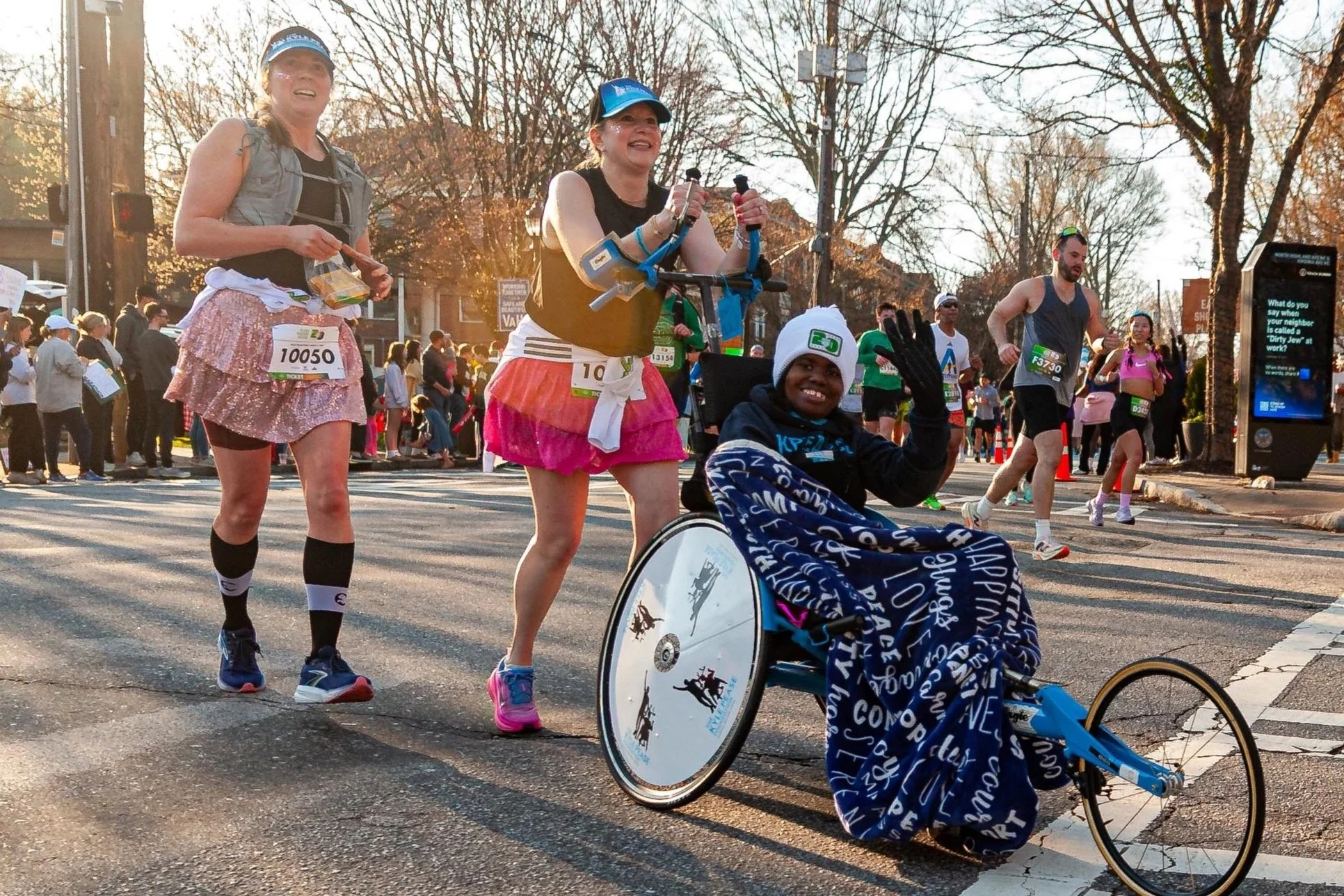
What followed was her first race: the Invesco QQQ Thanksgiving Half Marathon with the Atlanta Track Club. It was there she met push-assist athlete Megan Degan. Their connection was immediate and lasting. But the path forward wasn’t linear.
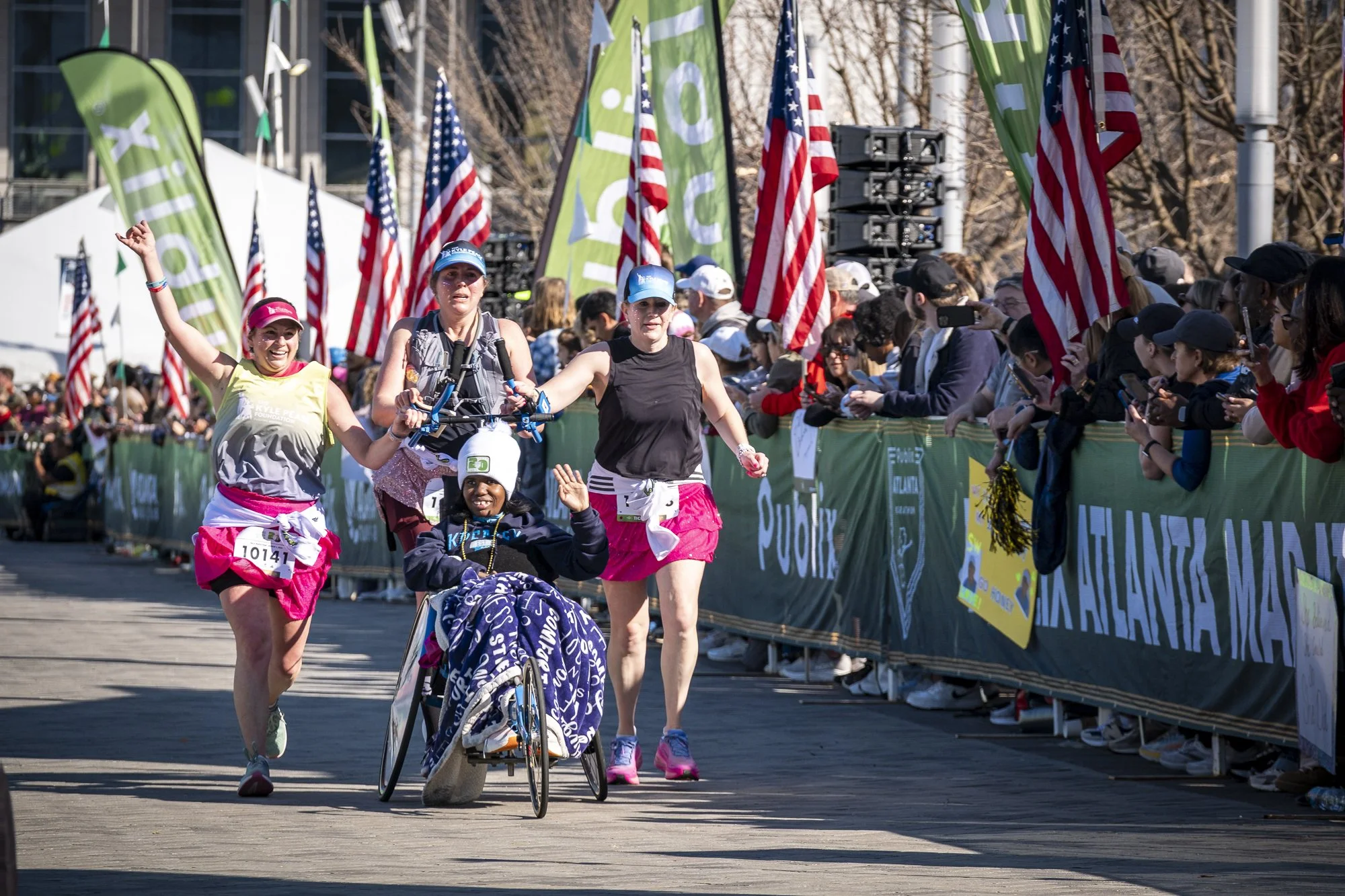
In July 2019, Brandi underwent brain surgery. For many, that would mark a stopping point. A reason to step back, reassess, or redefine limits. For Brandi, it became something else entirely. Her return to racing came just months later, at the same Thanksgiving half-marathon. It wasn’t just another race. It was a comeback. When she reached the finish line, something shifted. A shift powerful enough to make a bold decision.
“I jumped out of my chair and ran across,” she said.
That moment, though simple and trivial on the surface, carried the weight of everything Brandi had endured behind it: recovery, uncertainty, and risk. It wasn’t just about finishing. It was about reclaiming movement, identity, and belief. That’s what courage looks like.
She lives that out daily. Independence, for Brandi, isn’t theoretical. It’s a goal she is actively building toward. She’s preparing to start online school in film production. She wants to travel. To live on her own. Eventually, to move to California. She’s also looking into getting a canine assistance dog to help her navigate daily life, especially since she cannot drive.
“I want to be able to get out and do things on my own,” she says. That desire for independence is also what makes receiving the Bethany Rutledge Courage Award so significant. When she found out she had been selected, her reaction was immediate—and genuine.
“I was speechless. I didn’t know what to say. It was shocking… but a good surprise.”
The award will allow her to purchase a hand-crank bike—something that represents far more than equipment. “It will help me train more and go on my own time,” she explains. “I can do bigger races instead of repeating the same ones.”
Access to specialized equipment is one of the biggest barriers adaptive athletes face. Funding is limited, and knowing where to find support often depends on connections.
This changes that. With a hand-crank bike tailored to her, Brandi is already thinking ahead: The Boston Marathon, a Half Ironman, even Kona. Not as distant dreams, but as tangible next steps. She’s already completed major races, including a marathon at Walt Disney World. But long-distance racing comes with its own physical challenges.
“In the chair, long races make me stiff,” she explains. “Especially when it’s cold—it’s hard to get out.”
The new equipment isn’t just about performance. It’s about sustainability, comfort, and expanding what’s possible. It’s about ownership.
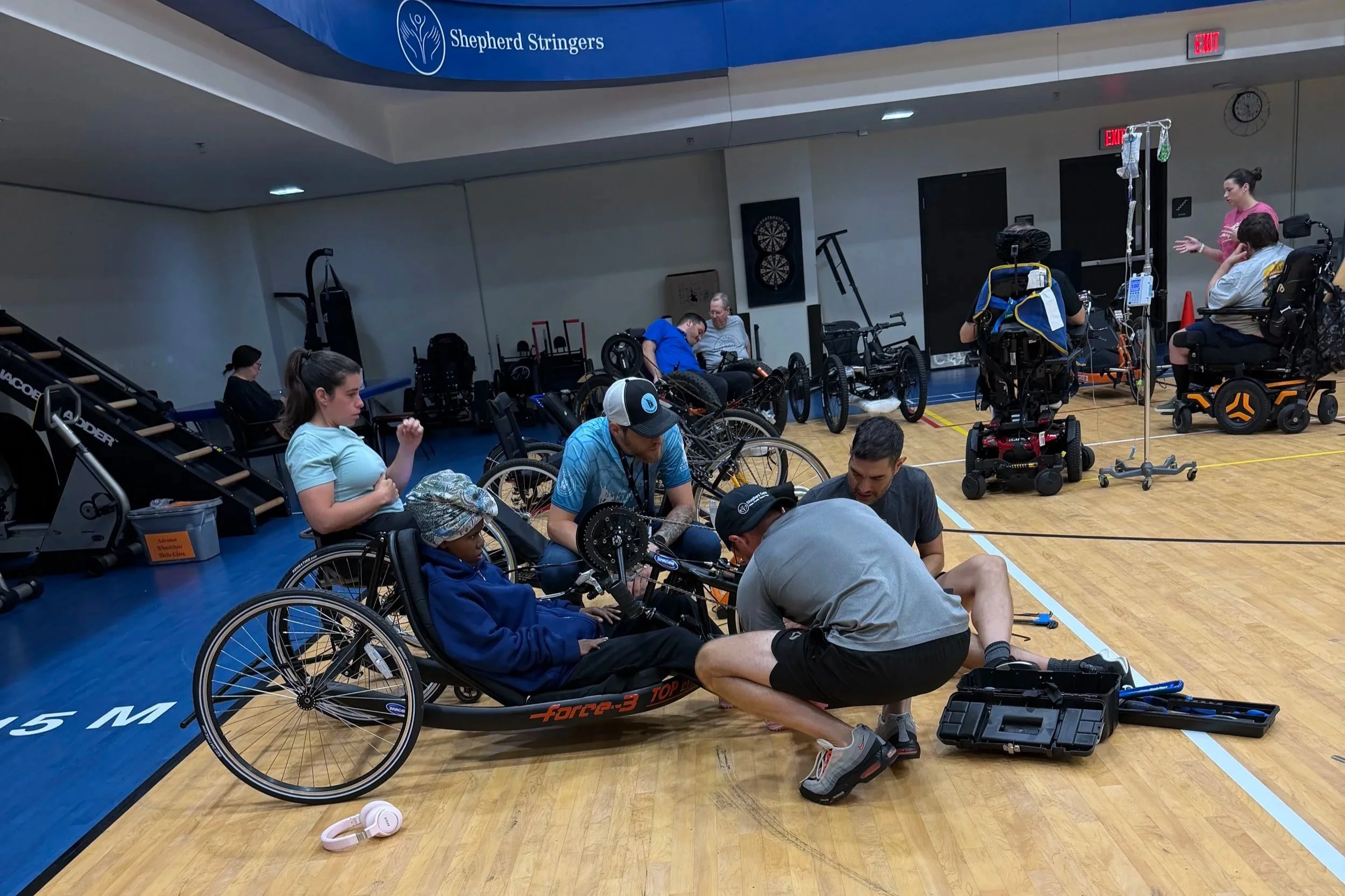
Brandi getting fitted for a bike at Shepherd Center.
For Brandi, that ownership shows up in decisions—daily, often difficult ones. It’s not about controlling every outcome, but about choosing how she responds, how she moves forward, and how she defines herself.
Taken together, her story points to a consistent truth: change doesn’t come from perfect conditions. It comes from consistent decisions. Not dramatic overhauls. Not flawless execution. But small, deliberate steps taken in the presence of uncertainty.
That step might look different for everyone. For Brandi, it looked like signing up for a race she didn’t fully understand. Coming back after brain surgery. Trusting a team. Pushing through discomfort. Choosing independence, even when it’s difficult.